
AI, ML and IOT implementation for real life CRM, ERP educational development system
AI, ML and IOT impact on real life with intresting example
9/23/20253 मिनिटे वाचा
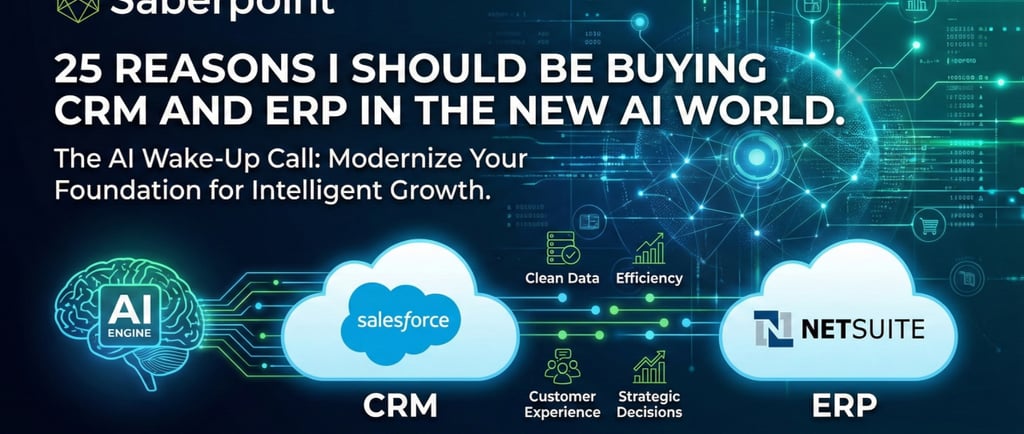
AI, ML, and IoT: Revolutionizing CRM and ERP Systems in Education
The world of education is rapidly evolving. With the rise of Artificial Intelligence (AI), Machine Learning (ML), and the Internet of Things (IoT), schools, colleges, and universities are moving beyond traditional methods to create smart, efficient, and personalized learning environment
Two powerful systems that drive this transformation are CRM (Customer Relationship Management) and ERP (Enterprise Resource Planning). When integrated with AI, ML, and IoT, these systems can completely reshape how educational institutions operate — from student enrollment to faculty management, academic planning, and student success tracking.
Let’s explore how these technologies work together and their real-life impact.
1. Understanding the Basics : Before diving into implementation, let’s quickly understand the key terms:
AI (Artificial Intelligence)
AI enables machines to think and act like humans, making decisions based on data.
Example: A chatbot that answers student queries 24/7 about admission or exam schedules.
ML (Machine Learning)
ML is a branch of AI that helps systems learn automatically from data and improve over time.
Example: Predicting which students are at risk of dropping out based on past performance.
IoT (Internet of Things)
IoT connects physical devices like smart ID cards, attendance machines, smartboards, and campus sensors to the internet for real-time monitoring and automation.
Example: A smart classroom automatically adjusting lighting and air conditioning when students enter.
2. CRM and ERP in Education
Educational institutions handle multiple processes — admissions, student data, library management, fees, and faculty information.
CRM (Customer Relationship Management)
In education, CRM focuses on building strong relationships with students, parents, and alumni.
Handles admissions, counseling, and inquiries.
Tracks student engagement.
Sends personalized updates and notifications.
Example: A university sending personalized scholarship information to students based on their academic performance.
ERP (Enterprise Resource Planning)
ERP integrates all internal processes like:
Student Information System (SIS)
Payroll & HR
Library Management
Attendance & Timetable
Financial & Academic Reporting
It creates one centralized platform for administrators, faculty, and students.
Example: Teachers uploading grades that are instantly visible to parents and students via a portal.
3. AI, ML, and IoT Implementation for Smarter Education
Here’s how these technologies enhance CRM and ERP systems:
A. AI-Powered Smart CRM
AI can personalize student experiences and automate repetitive tasks.
Real-Life Use Cases
AI Chatbots for Admission Support
Students can chat with a bot 24/7 for inquiries about admissions, fees, or campus facilities.
Reduces workload on staff.
Predictive Enrollment Analytics
AI analyzes historical data to predict which marketing strategies attract more students.
Helps in targeted campaigns for admissions.
Student Retention System
AI detects patterns like poor attendance or grades.
Sends alerts to counselors to provide early interventions.
B. ML for Data-Driven Decisions
Machine Learning models learn from institutional data and improve processes continuously.
Real-Life Use Cases
Personalized Learning
ML recommends custom study plans for each student based on their strengths and weaknesses.
Example: Suggesting extra math exercises for a student struggling with algebra.
Academic Performance Prediction
ML predicts which students might fail or drop out.
Faculty can take corrective action early.
Operational Efficiency
Predicts resource needs like classroom space or faculty allocation.
C. IoT for a Connected Campus
IoT brings real-time monitoring to the educational environment.
Real-Life Use Cases
Smart Attendance
RFID or biometric devices mark attendance automatically.
Data syncs instantly with ERP.
Energy Optimization
Smart sensors adjust lighting, fans, and projectors based on occupancy.
Saves electricity and costs.
Campus Safety
IoT-enabled security cameras and smart ID cards track students’ safety on campus.
4. Integrated Example: A Day in a Smart Educational Institute
Imagine a student named Aditi entering a smart campus:
Morning: Aditi swipes her smart ID → IoT system marks attendance automatically and notifies parents via CRM.
Classes: AI-powered ERP suggests personalized study modules based on her previous test scores.
Break Time: IoT-connected sensors adjust cafeteria inventory in real time based on student footfall.
Evening: ML algorithms analyze her progress and send an automated report to her mentor
This seamless flow creates a highly efficient, data-driven educational ecosystem.
5. Benefits of AI, ML, and IoT in Education
Benefit Impact on Education
Automation Reduces manual work for teachers and staff.
Personalized Learning Students get tailored resources and feedback.
Data-Driven Decisions Accurate predictions for academic planning.
Cost Reduction Optimizes resources like energy and faculty allocation.
Better Student Experience Smooth, tech-driven learning journey.
6. Challenges to Consider
While the benefits are immense, implementation comes with challenges:
High Initial Cost – Smart devices and AI systems need investment.
Training Faculty – Teachers must be trained to use advanced tools.
Data Privacy – Student data must be protected with strict security measures.
7. Future Trends
The future of educational CRM and ERP will see:
AI-driven virtual tutors for one-on-one support.
IoT-enabled smart campuses with automated maintenance and safety.
Blockchain integration for secure student record management.
Augmented Reality (AR) classrooms for immersive learning experiences.
Conclusion :-
The integration of AI, ML, and IoT into CRM and ERP systems is revolutionizing education management. From streamlining admissions to creating personalized learning paths, these technologies empower institutions to deliver better education, reduce administrative burdens, and prepare students for a tech-driven future.
By adopting these innovations, educational institutes can transform into smart campuses, ensuring efficiency, safety, and a truly enriching experience for every learner.